
Board and backing
Replacing damaged board, adding backing, or using specialty board changes labor and material needs.
Drywall cost factors
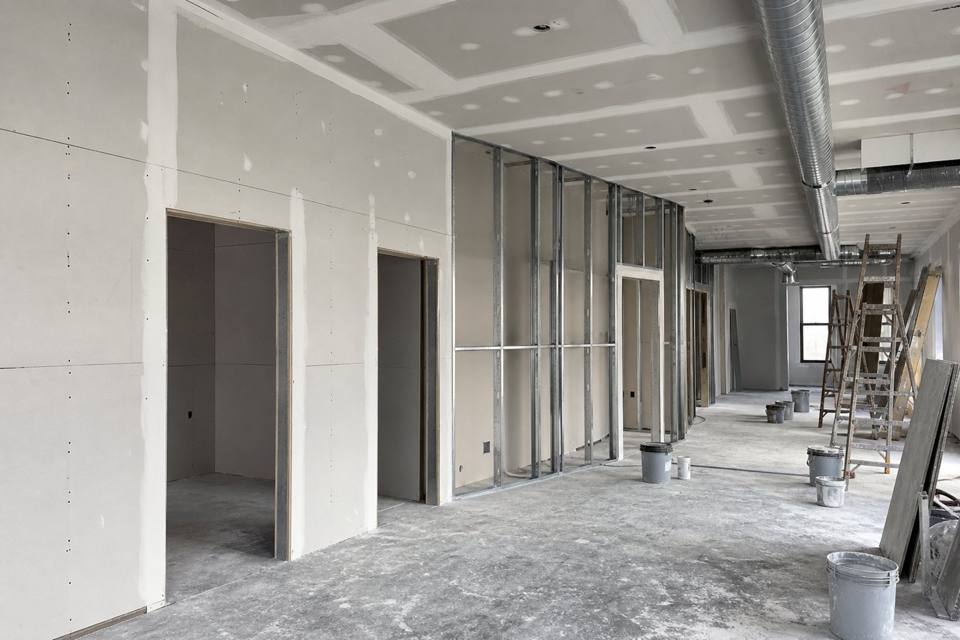
Drywall pricing is shaped by more than the size of the damaged area. Board replacement, finish level, ceiling access, texture matching, corner bead, dust control, material type, room protection, and paint-readiness can all change the actual estimate.
Cost drivers
A small patch can be straightforward when the board is sound, the texture is simple, and the area is easy to reach. The same-sized patch can become more involved when it is overhead, stained, near a corner, next to trim, or surrounded by older texture that is hard to blend.
Installation pricing also varies. New board hanging may look simple by square footage, but ceilings, high walls, inside and outside corners, openings, finish level, and commercial access all add labor. A professional estimate should confirm the actual scope before the homeowner commits.
Replacing damaged board, adding backing, or using specialty board changes labor and material needs.
A garage wall, textured ceiling, and smooth painted living room do not need the same finish.
Furniture, floors, ceiling height, parking, dust control, and after-hours commercial work can affect cost.
Estimate expectations
A useful callback can sort the job into likely categories: small patch, texture blend, ceiling repair, full sheet replacement, room installation, or commercial finish-out. That helps decide whether the next step is a simple conversation or an in-person look.
This site does not create binding estimates. Pricing, scheduling, materials, licensing, warranty terms, and availability should be confirmed directly with the drywall professional after the scope is understood.
Some damage can be patched; soft board, repeated moisture, or broad cracking may need replacement.
Texture blending and paint transition can be a larger part of the cost than the board itself.
Urgency, access windows, and coordination with painters or other trades can change scheduling and price.
Practical next step
A drywall callback can sort whether the job is a patch, board replacement, finish-level concern, texture blend, ceiling repair, or larger installation scope. Pricing, timing, material selections, access needs, warranty terms, and licensing details should be confirmed directly before scheduling.
The goal is not to make the homeowner prepare a full construction packet. A short description of the room, the visible symptom, and the desired finish is enough to start a useful conversation.
Drywall questions
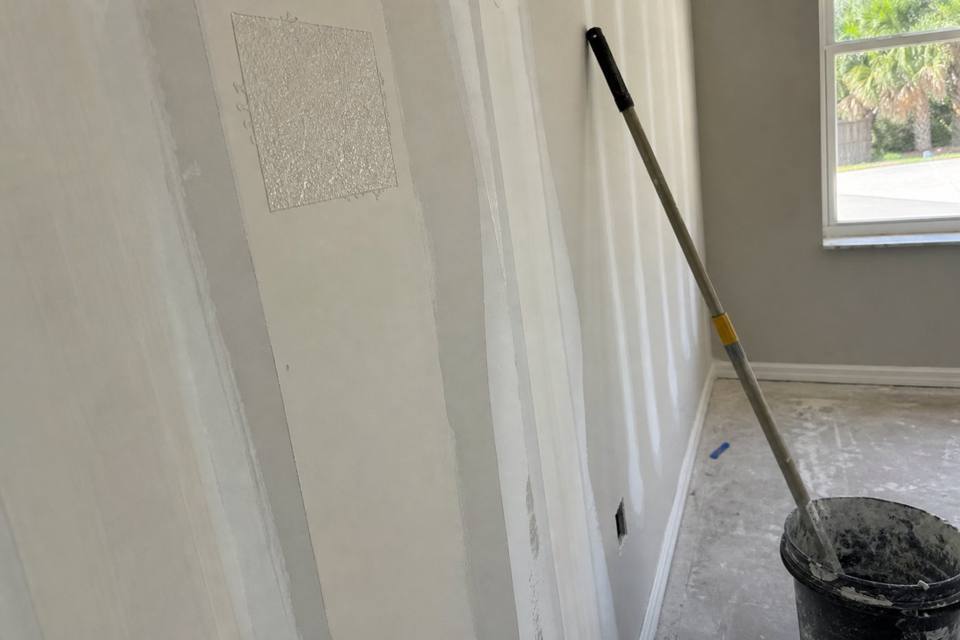
Often a localized wall or ceiling area can be patched, taped, finished, textured, and painted without replacing the entire room. The main variables are texture match, paint age, lighting, and whether the damaged board is still sound.
A brief note about the room, wall or ceiling location, visible damage, and preferred timing is enough for an initial callback. A professional can then decide whether an in-person look, material selection, or access discussion is needed.
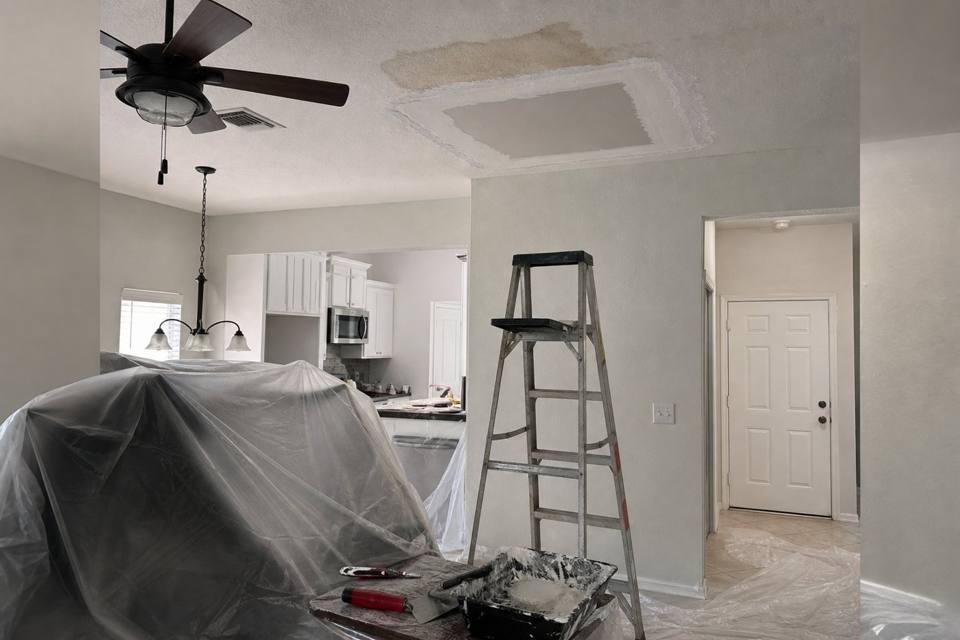
Not always. The water source should be corrected first. After that, the ceiling area may need stain blocking, texture work, a small patch, or board replacement depending on softness, staining, and previous repairs.
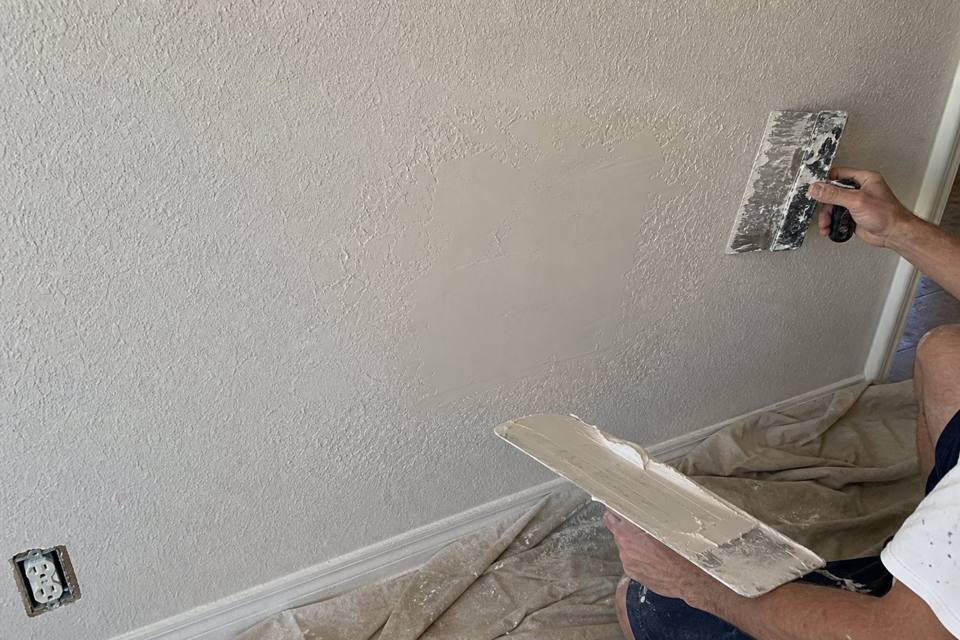
Many Orlando homes have orange peel, knockdown, older spray textures, or prior patch work. Matching texture is often what separates a clean repair from a visible patch after paint.
The site collects callback details only. Actual pricing, availability, materials, licensing, warranty terms, and scheduling should be confirmed directly with the drywall professional before work begins.