
Panel selection
Thickness, moisture exposure, ceiling spans, fire separation, and room use can affect board choice.
Sheetrock hanging and finishing
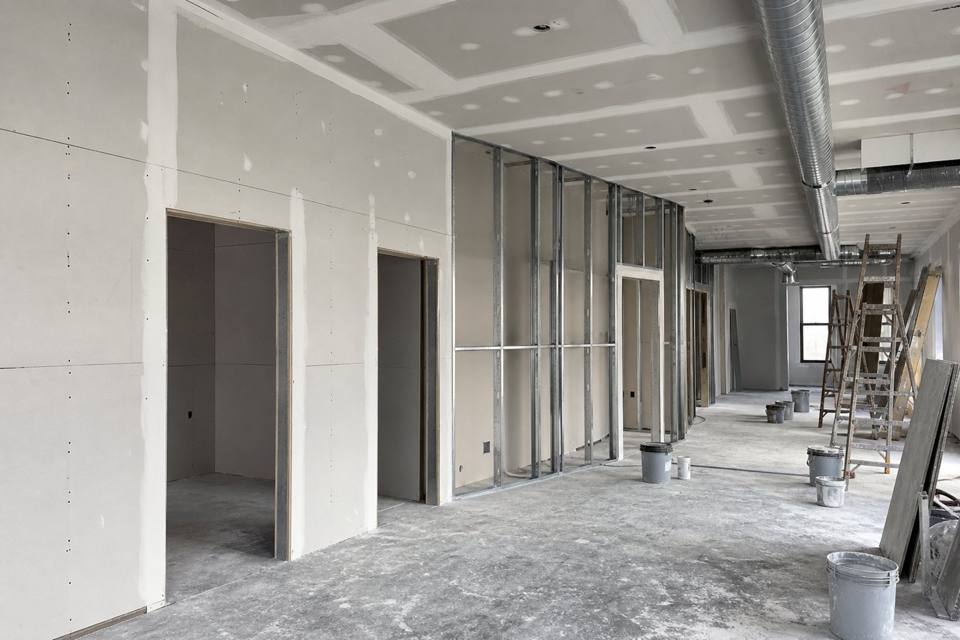
Drywall installation is more than fastening boards to framing. The quality of the finished room depends on panel layout, seam placement, board type, screw pattern, corner protection, finish level, texture plan, and whether lighting will expose waves or ridges after paint.
Installation detail
In Orlando remodels and additions, drywall often ties new work into existing walls, ceilings, soffits, garages, or textured rooms. The installer has to think through where seams land, whether full sheets can reduce joints, how outside corners will be protected, and what finish level makes sense for the paint and lighting conditions.
A smooth-wall room, a knockdown ceiling, a utility garage, and a commercial suite do not need identical finishing. Asking the right questions early helps avoid paying for too little finish in a visible room or too much finish in a utility space.
Thickness, moisture exposure, ceiling spans, fire separation, and room use can affect board choice.
Joint location, corner bead, inside corners, and butt joints determine how much finishing work is needed.
Paint sheen, natural light, wall angle, and texture choice all affect how smooth the final surface should be.
Orlando project types
Drywall installation calls often come from room additions, garage conversions, kitchen and bath remodels, office buildouts, damaged ceiling replacements, and unfinished utility spaces. Each setting has different access, dust, and schedule constraints.
A callback can clarify the general room type and desired outcome first. Exact material quantities, pricing, schedule, warranty, and licensing details should be confirmed by the professional before work is scheduled.
New rooms need board, tape, finish, texture, and paint-readiness planned as one sequence.
Durability, fire separation, penetrations, and lower finish expectations may change the approach.
Office and retail drywall may need cleaner sequencing around other trades and tenant schedules.
Practical next step
A drywall callback can sort whether the job is a patch, board replacement, finish-level concern, texture blend, ceiling repair, or larger installation scope. Pricing, timing, material selections, access needs, warranty terms, and licensing details should be confirmed directly before scheduling.
The goal is not to make the homeowner prepare a full construction packet. A short description of the room, the visible symptom, and the desired finish is enough to start a useful conversation.
Drywall questions
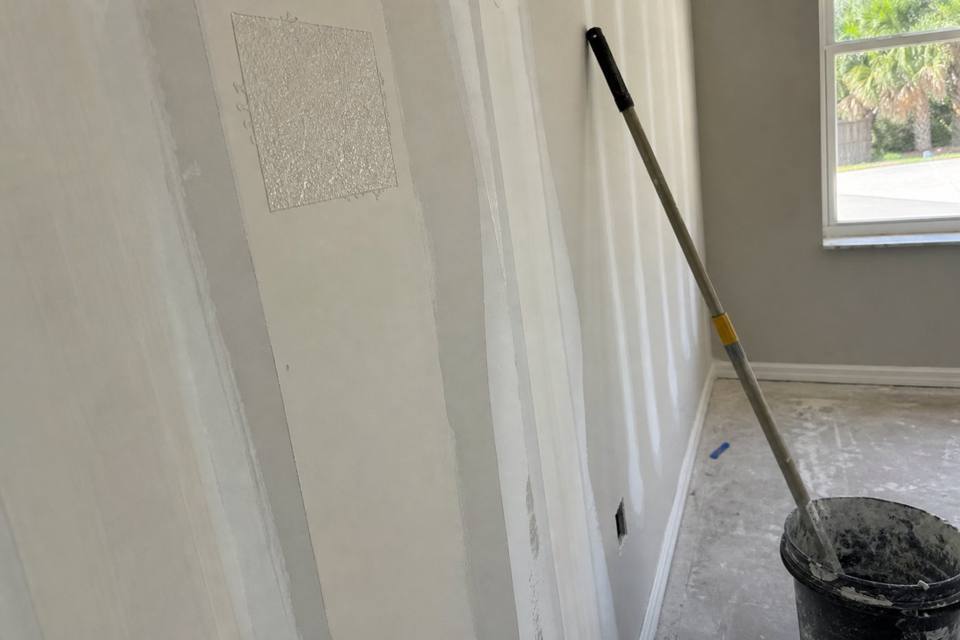
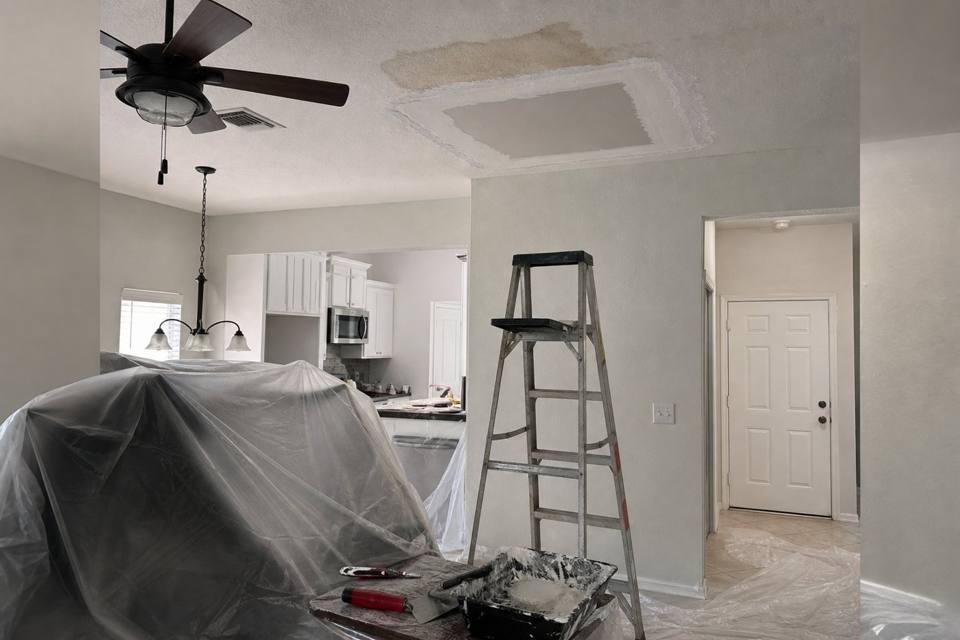
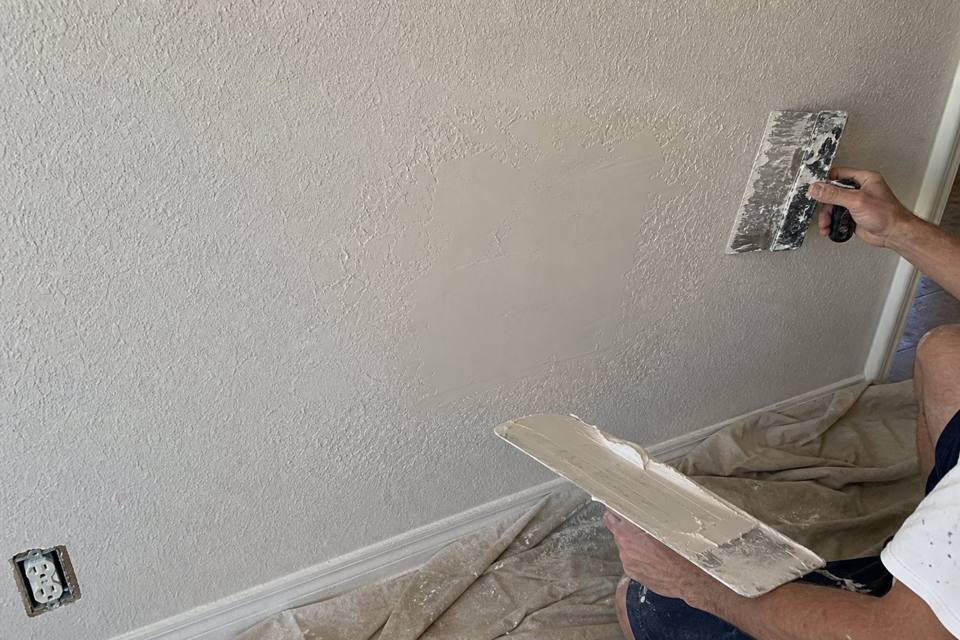
Often a localized wall or ceiling area can be patched, taped, finished, textured, and painted without replacing the entire room. The main variables are texture match, paint age, lighting, and whether the damaged board is still sound.
A brief note about the room, wall or ceiling location, visible damage, and preferred timing is enough for an initial callback. A professional can then decide whether an in-person look, material selection, or access discussion is needed.
Not always. The water source should be corrected first. After that, the ceiling area may need stain blocking, texture work, a small patch, or board replacement depending on softness, staining, and previous repairs.
Many Orlando homes have orange peel, knockdown, older spray textures, or prior patch work. Matching texture is often what separates a clean repair from a visible patch after paint.
The site collects callback details only. Actual pricing, availability, materials, licensing, warranty terms, and scheduling should be confirmed directly with the drywall professional before work begins.